
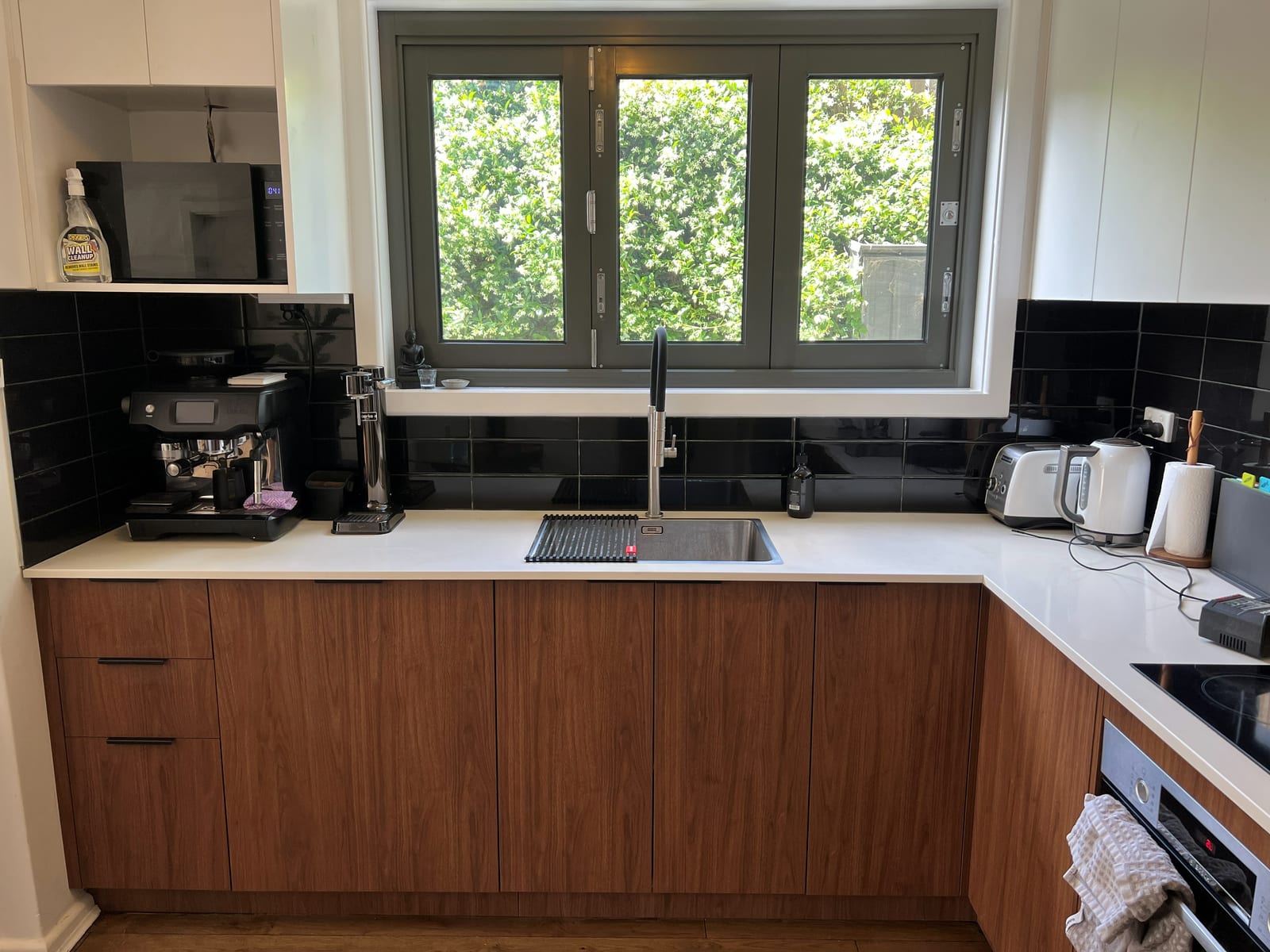
Does your kitchen really need to be completely replaced? Does it look dated even though the cabinet boxes are still in reasonable condition? Would new doors, drawer fronts, panels, handles or storage improvements give it a new life?
A kitchen facelift may allow suitable parts of the existing kitchen to be retained while selected visible and functional components are replaced or improved.
The same kitchen, same layout and same cabinet positions — with new doors, drawer fronts and panels fitted in place of the originals.
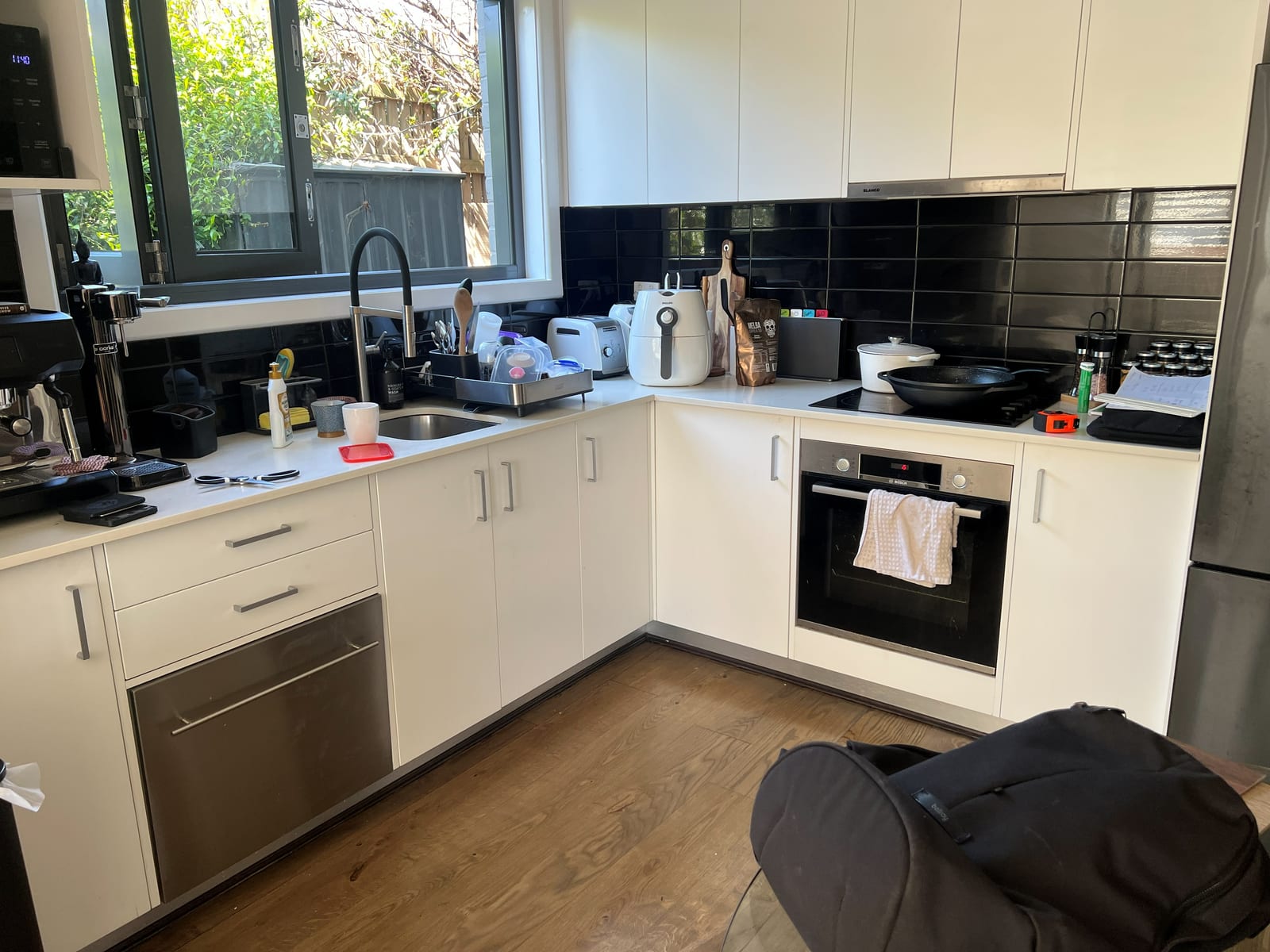

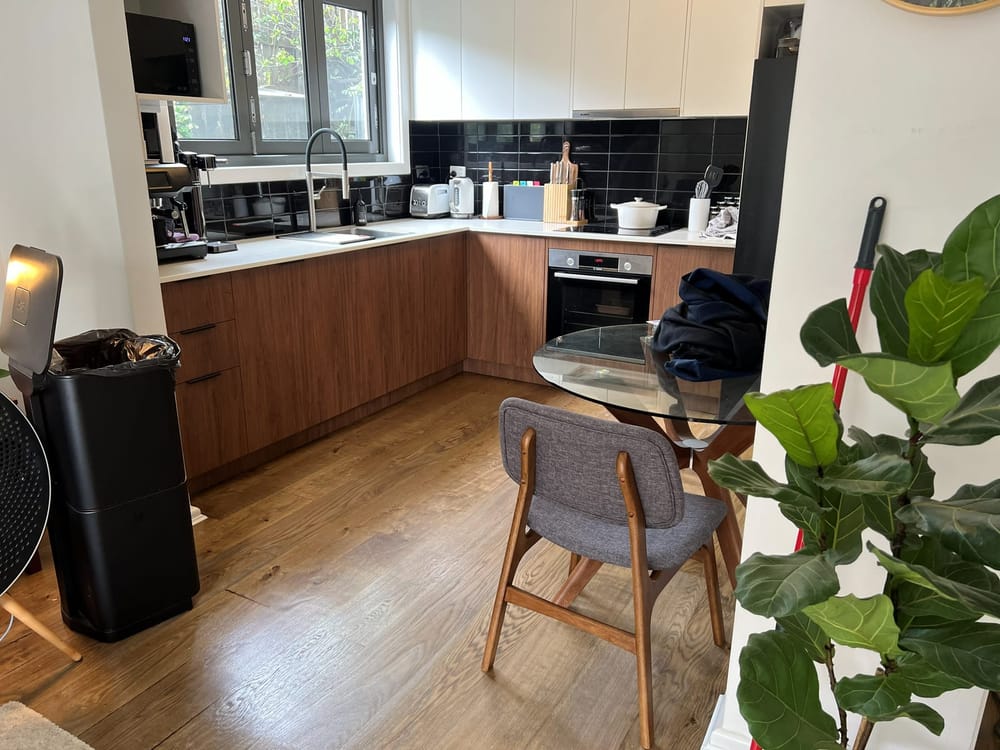
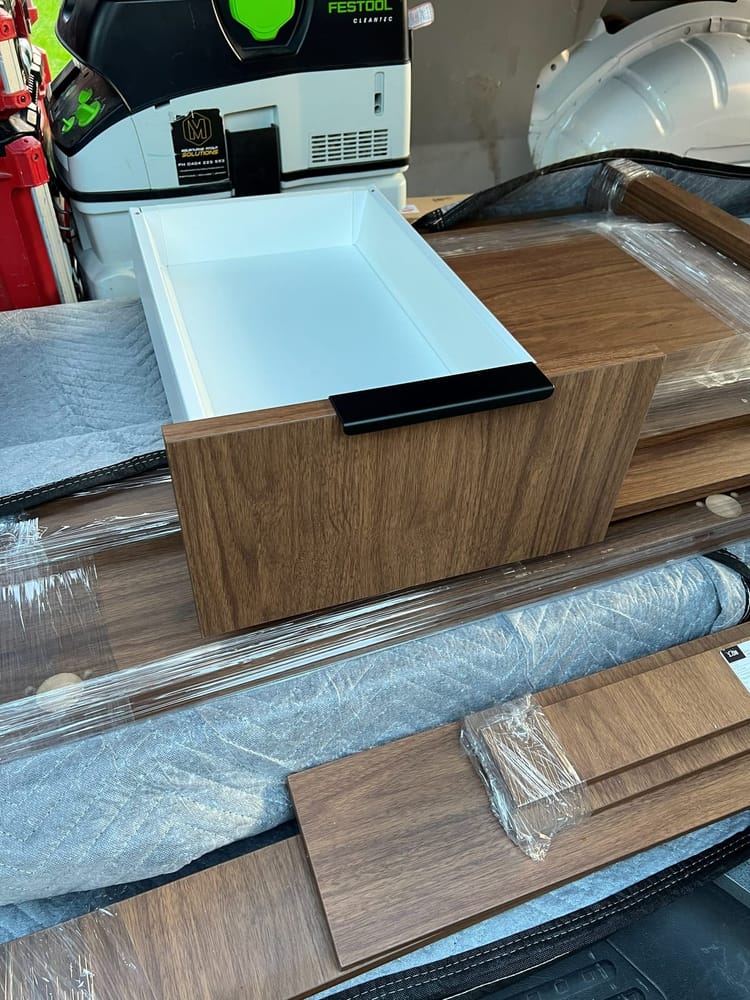
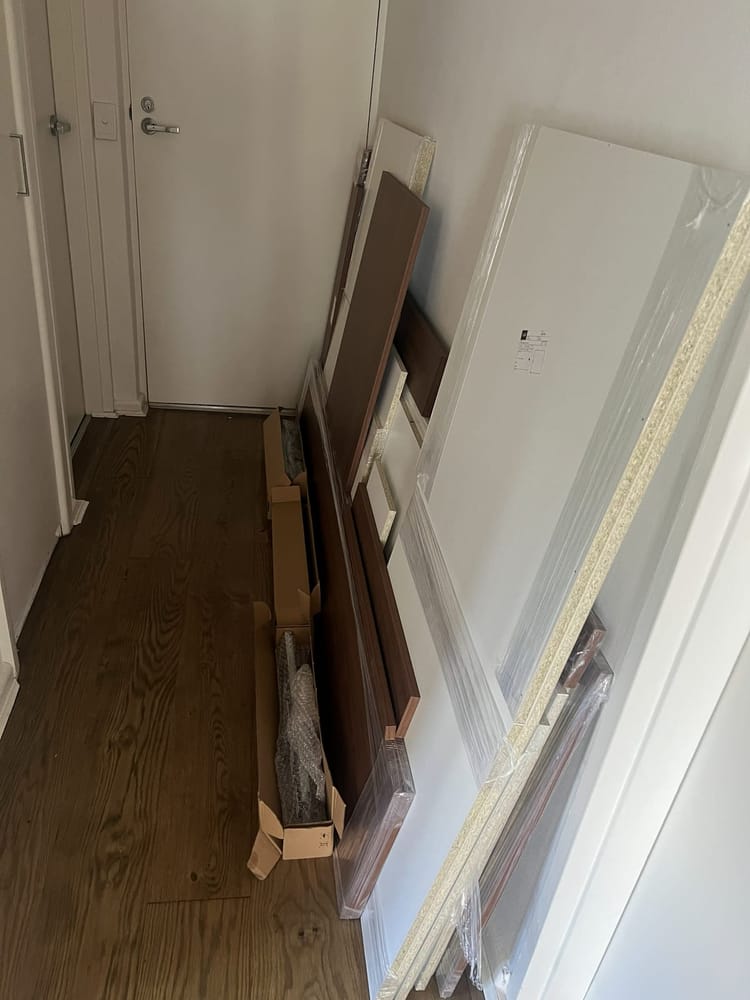
A kitchen facelift is more than simply changing the handles. The process begins by assessing the existing cabinetry, layout, hardware, panels and surrounding finishes.
Eric can then help identify which parts appear suitable to retain, which may be repaired or adjusted, and which components are better replaced. Depending on the kitchen, the work may include new doors, drawer fronts, end panels, handles, hinges, runners, shelving, trims, kickboards, storage components or selected cabinet alterations.
One of the benefits of kitchen-facelift work is the opportunity to retain serviceable materials. When cabinet boxes, shelves or parts of the existing layout remain suitable, it may not make sense to remove them only because the visible finishes have become dated.
By retaining appropriate parts and replacing only what is needed, a kitchen may gain a fresh appearance and extended working life while reducing unnecessary waste.
A kitchen can feel outdated even when the cabinet structure and general layout are still working well. Replacing visible components such as doors, drawer fronts, end panels, handles, kickboards and selected trims can make a noticeable difference to the overall appearance.
A facelift may allow the kitchen to take on a cleaner, more modern or more consistent style without rebuilding every cabinet. Colours, finishes and hardware can be selected to better suit the rest of the home while retaining suitable parts of the original kitchen.
A complete kitchen replacement can involve demolition, removal, new cabinet construction, additional trades and changes to surrounding finishes. When suitable cabinet boxes and parts of the existing layout can be retained, some of these costs may be reduced.
This allows the available budget to be focused on the parts of the kitchen that provide the greatest visual or practical improvement, such as new doors, drawer fronts, hardware, storage or selected cabinet alterations.
A facelift will not always be the cheapest option. The final cost will depend on the existing condition of the kitchen, the materials selected and the extent of the changes required.
Removing an entire kitchen can result in serviceable cabinets, shelves and other materials being discarded simply because the visible finish has become dated.
Where appropriate, a kitchen facelift allows useful components to remain in place while worn, damaged or outdated parts are replaced. This can reduce unnecessary demolition and help limit the amount of material removed from the property.
The aim is not to retain every component regardless of condition, but to identify what still has value and replace only what is required to achieve a practical and lasting result.
A kitchen facelift can improve more than the appearance of the room. Existing cabinets may be adjusted or upgraded to provide more useful storage and easier access.
Depending on the kitchen, improvements may include additional drawers, adjustable shelving, pantry upgrades, internal dividers, new overhead cabinets, improved hardware or changes to difficult and underused areas.
A full kitchen replacement may involve removing all existing cabinetry and leaving the kitchen unusable while new components are manufactured and installed.
Where the existing structure can be retained, a facelift may involve less demolition and fewer changes to plumbing, electrical services, walls and flooring. This may help reduce disruption within the home, although the exact process and timeframe will depend on the agreed scope of work.
Some homeowners are generally satisfied with the position of their sink, appliances, benchtops and main cabinets but dislike the appearance or storage arrangement.
A facelift can allow a suitable existing layout to remain while selected components are refreshed or improved. This can avoid making unnecessary changes to parts of the kitchen that already function well.
Rather than automatically replacing every part of the kitchen, a facelift allows the project to focus on the areas that need the most attention.
For one kitchen, the priority may be new doors and panels. For another, it may be additional drawers, improved pantry storage or replacing worn hardware. Eric can help identify which changes are likely to provide the greatest practical and visual benefit.
No. Some kitchens may have extensive water damage, poor-quality cabinet boxes, serious movement, an unsuitable layout or components that are no longer practical to retain.
In those cases, a more substantial rebuild or complete replacement may provide better long-term value. The purpose of the assessment is to determine what is worth retaining rather than forcing a facelift onto a kitchen that is not suitable.
Kitchen improvements often require more than choosing a colour and ordering new doors. Existing walls may be out of square, floors may be uneven and older cabinets may have moved or been altered over time.
As a qualified carpenter with 18 years of practical experience, Eric can help assess these details and explain the options before the scope is finalised. Eric genuinely enjoys improving existing kitchens, solving layout problems and finding ways to reuse sound components where appropriate.
Where they remain suitable and in reasonable condition, some existing cabinetry may be retained.
Yes. Replacing visible fronts can significantly change the kitchen's appearance.
Depending on the existing layout, additional drawers, shelves, overhead cabinets or internal storage may be possible.
Not always. The cost depends on the condition of the existing kitchen, the products selected and the extent of the changes.
A few photographs and your suburb are enough to get started. Eric will review what you send and explain the most suitable next step.